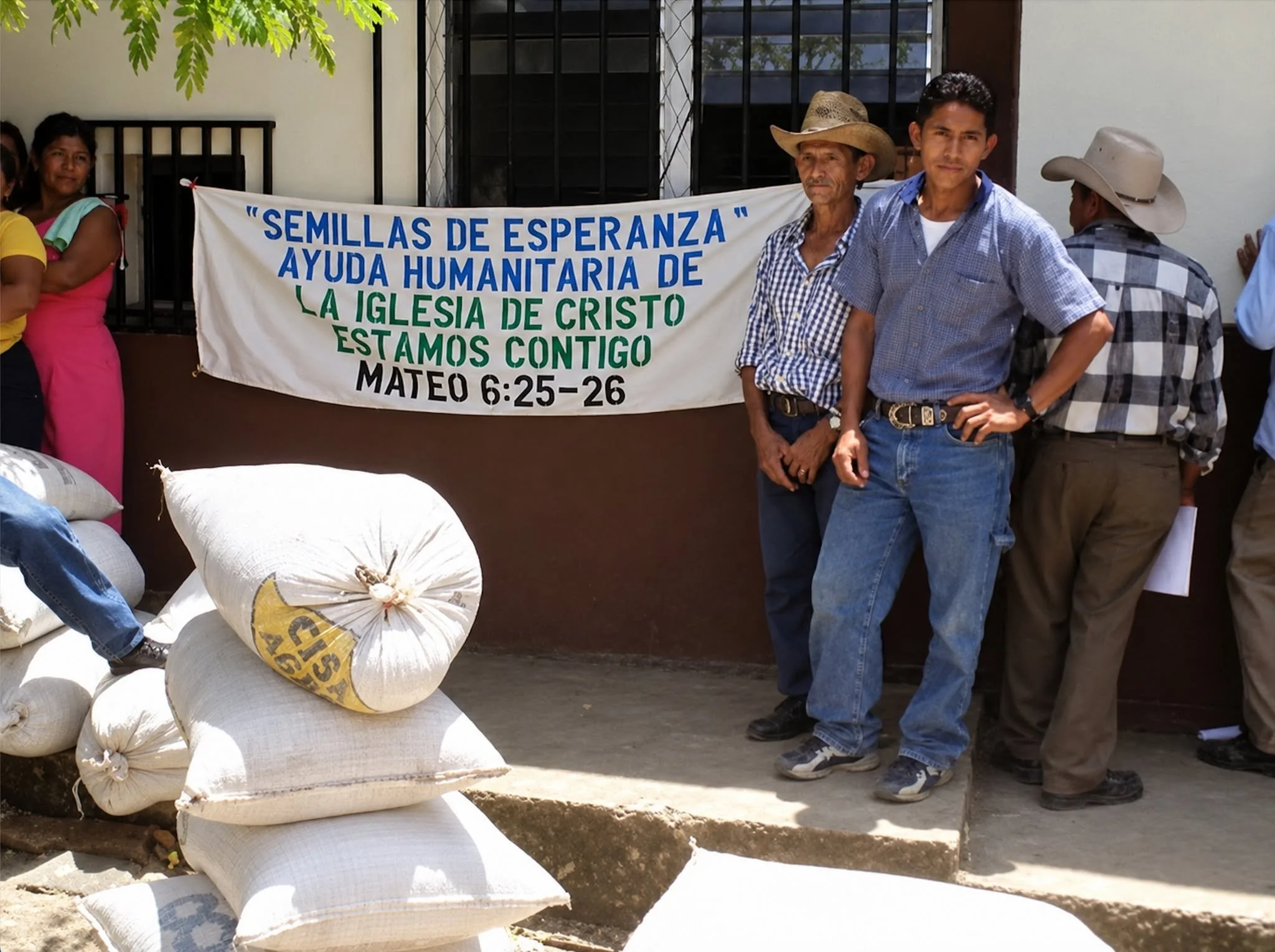
9.11.2001
Twenty-five years ago, in the late summer of 2001, Honduras was suffering through a devastating drought.
Thousands of campesino farming families scattered throughout the remote mountains had lost their first harvest of the rainy season. They had planted their corn and beans with hope, only to watch the rains never come. They had no harvest, no food to eat, and no seed to plant again.
I had only been living in Honduras for about seven months. I had never experienced anything like it.
The pediatric ward at the local hospital was overflowing with children with broken arms and legs. They weren't injured playing sports or riding bicycles. They had fallen out of mango trees. As food became scarcer, they climbed higher and higher into the trees searching for fruit to eat.
I couldn't imagine what it must feel like as a parent to have no food to put on the table, no seed for another crop, and to watch your children risk their lives simply trying to find something to find something to eat.
I began writing emails to friends back in the United States describing what I was seeing. I wasn't trying to raise money. I didn't know anything about fundraising or building a nonprofit. I was simply telling people what was happening in my world.
To my surprise, the responses all sounded the same: "What can we do?" and "How can we help?"
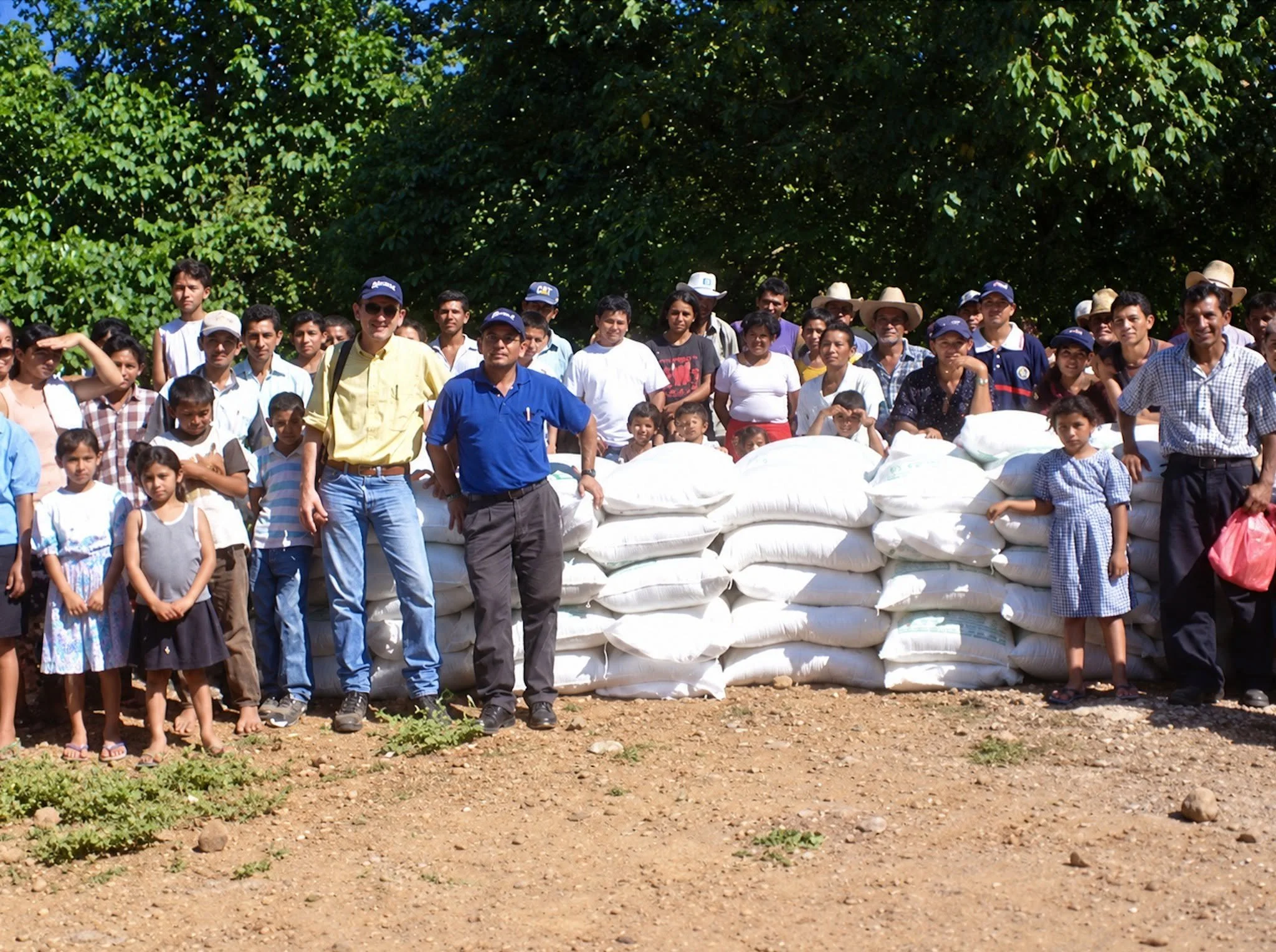
Together, we came up with a simple plan. Within just a matter of days, enough money had come in to purchase 100,000 pounds of seed and 80,000 pounds of fertilizer. We loaded old Mercedes-Benz flatbed trucks with men from local churches, and for two weeks we drove deep into the mountains delivering seed to the farmers who needed it most. It wasn't a handout; it was a hand up.
One morning, while riding in one of those old flatbed trucks deep in the mountains near Concepción de María, we heard over AM talk radio that airplanes had struck the World Trade Center. Being that far from home during one of America's darkest days was incredibly isolating.
While America will forever remember September 11 because of what happened in New York and Washington, I'll always remember it because I was riding through the mountains of Honduras delivering seed to desperate farmers. The tragedy of September 11 changed our nation, but what happened in those mountains changed the rest of my life.
As we met these campesino families, they kept asking us the same question: "Why are you doing this?" That opened the door to conversations about our faith. Then another question kept coming: "When will you come back and study the Bible with us?"
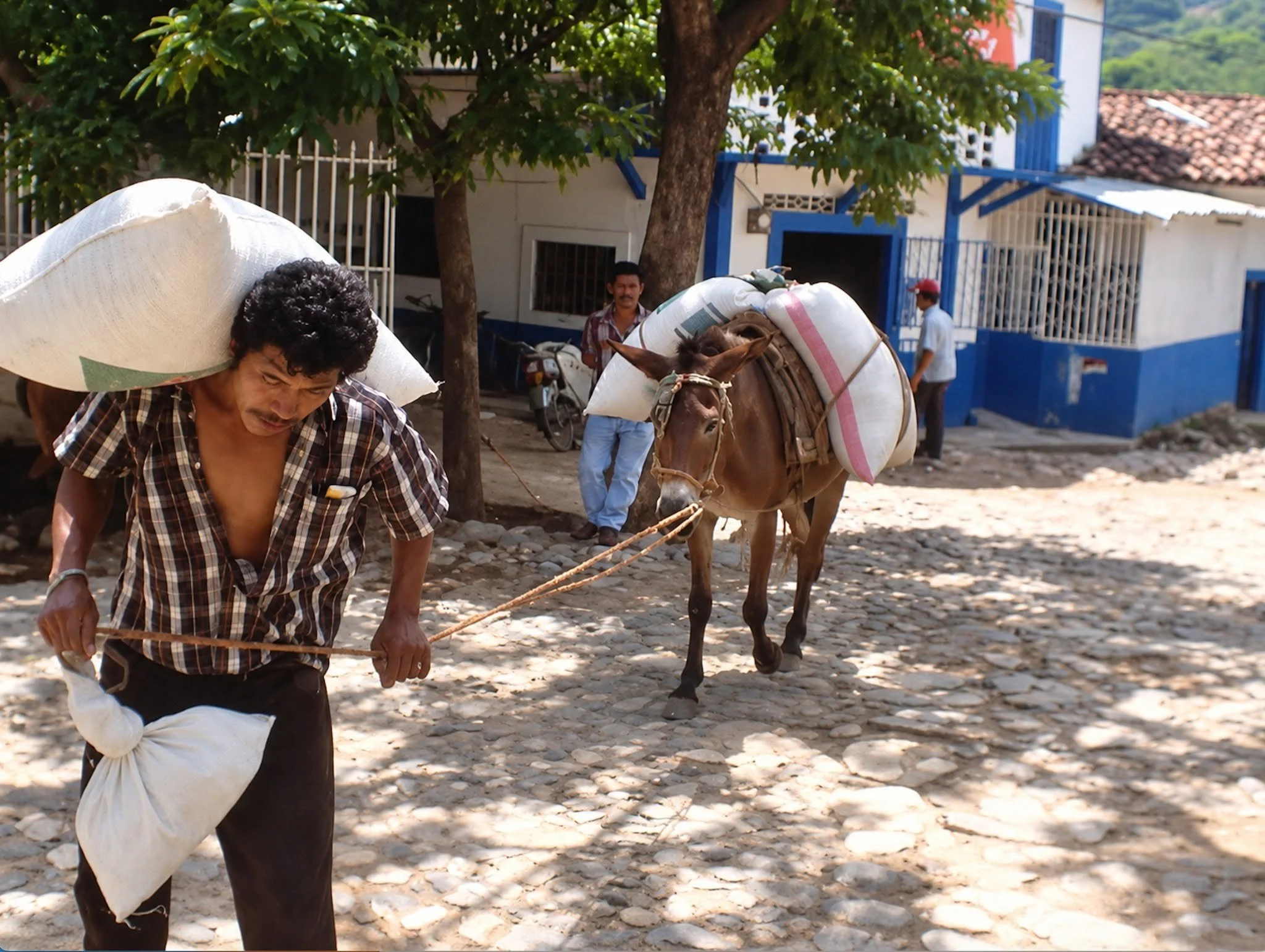
I had only planned to spend ten months in Honduras.
But those relationships changed everything.
What began as an effort to help farmers plant another crop became the beginning of something far greater. Those conversations became Bible studies. Those Bible studies became churches. Over time, they grew into schools, medical clinics, children's homes, economic development programs, and communities being transformed through the Gospel.
That was the beginning of Mission Lazarus.
Today, twenty-five years later, we're still serving many of those same mountain communities. Our model hasn't changed. We build relationships, meet real needs, share Christ, and walk alongside people for the long haul.
Today, exactly twenty-five years later, on another September 11, I find myself thinking about those same mountains and many of those same campesino farming families. Once again, they're facing a drought, only this one is far worse.
They have now gone nearly ten months with virtually no measurable rainfall. The rainy season is almost over, and there is little hope that enough rain will fall to produce a harvest. In 2001, seed was the answer. In 2026, seed won't solve the problem because without rain, seed cannot grow.
These families will need food simply to survive until next year's planting season. They're subsistence farmers. They live off what they grow. If there is no harvest, there is no food. There is no income. And there is no seed to plant when the rains finally return.
Mission Lazarus exists today because twenty-five years ago people chose to help farmers they would never meet. Their generosity changed my life, and it changed the lives of thousands of families across these mountains.
Today, those same mountains, those same communities, and many of those same families need us once again. Our goal is to raise $50,000 to feed and equip 50 subsistence farming families in the remote mountains of southern Honduras.
A gift of $100 will provide a month's worth of basic food for one farming family. A gift of $800 will provide enough food to sustain a family until next year's rainy season. And a gift of $1,000 will not only feed a family through the drought but also provide the seed they need to plant again when the rains finally return.
Twenty-five years ago, people responded when they heard about a drought in Honduras. Because they did, Mission Lazarus was born.
I hope you'll stand with us once again as we help these families survive today and prepare for tomorrow.
If you'd like to help, you can make your gift here: