
Where Grace Walks: Faith and Dignity in Fort-Liberté
Grace is easiest to admire from a distance. It is harder—and holier—to recognize when it wears dust on its feet and hunger in its stomach.
In Fort-Liberté, Haiti, I saw despair and dignity standing side by side. Poverty that constricts opportunity. Hunger that lingers longer than it should. Uncertainty that presses on families daily. And yet, in the middle of it all, I witnessed something the world often misses: not mere endurance, but life being lived with intention and faith.
Nearly 300 children gather each day in a school that is more than a structure of walls and desks. It is a shelter. It is stability. It is the sound of lessons replacing the silence of neglect. A warm meal is placed into small hands with care. Teachers speak not only knowledge but belief—calling forth potential in young minds formed in the image of God. Education here is not a program; it is a declaration of dignity and hope.
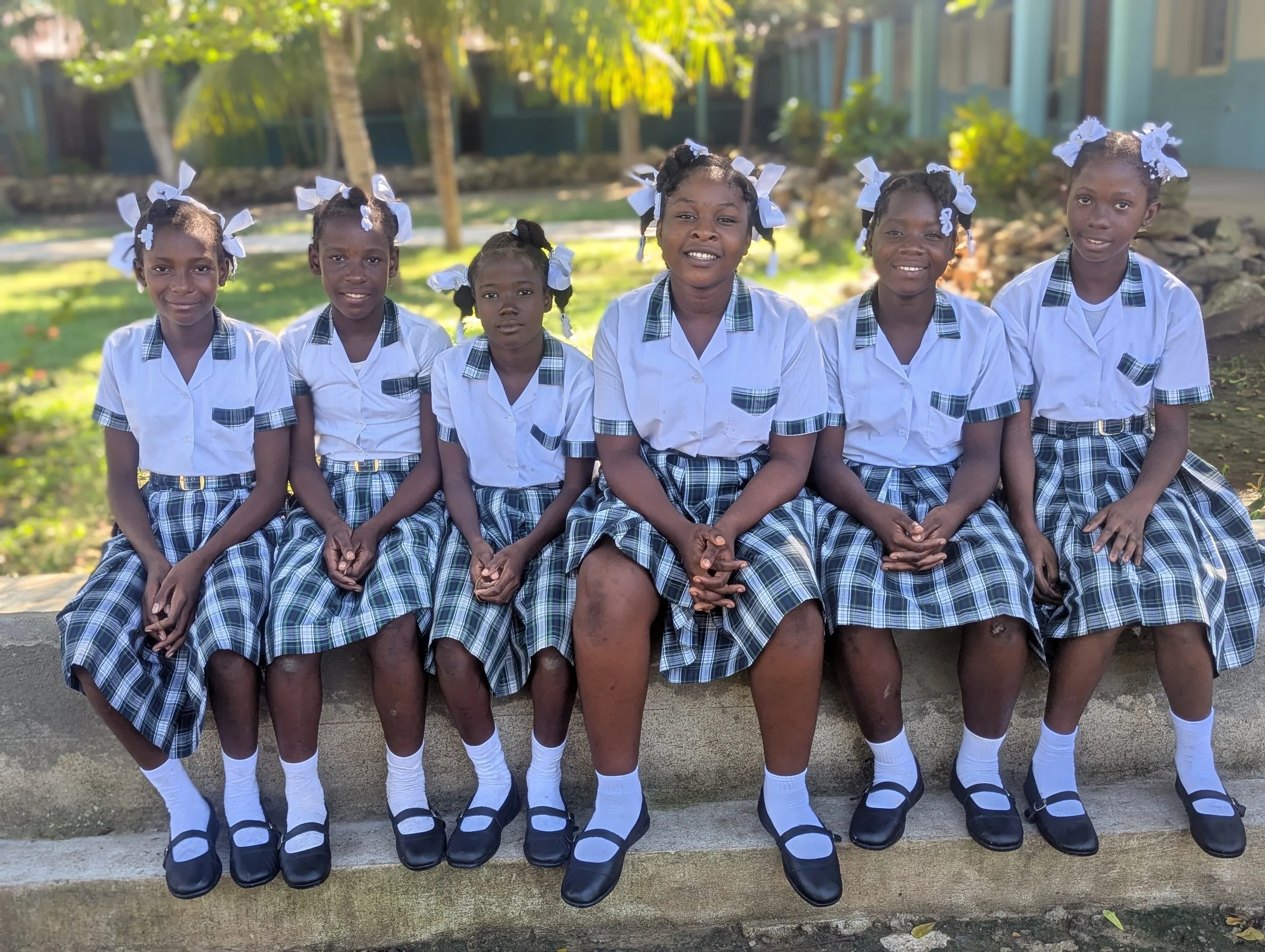
Each week, bread is shared and the Gospel is proclaimed—the good news that “God so loved the world that He gave His only Son” (John 3:16), that Christ has come “that they may have life, and have it abundantly” (John 10:10). These words are not abstract theology in Fort-Liberté. They are nourishments. They are oxygen. They steady hearts that might otherwise give way to despair.
The people cling to hope—not as fragile optimism, but as anchored trust. Paul writes that we are “created in Christ Jesus for good works” (Ephesians 2:10). James reminds us that faith becomes complete when it moves into action (James 2:17). In this community, that movement is visible. Bread shared between neighbors. Prayers offered without spectacle. Children welcomed. Burdens carried together.
Mission Lazarus does not stand at a distance. It walks alongside. It practices a ministry of presence that mirrors the Incarnation itself—the God who did not save from afar but chose to dwell among us (John 1:14). There is reverence in that presence. There is mutual respect. There is togetherness shaped by grace. And standing there, I understood something more deeply: existence grasps at survival; true living gives itself away. In Fort-Liberté, though resources may be limited, generosity is not. Though circumstances are fragile, faith is not. God’s presence is not scarce. What I witnessed was not simply survival in difficult conditions. It was resurrection life quietly unfolding—children learning, families persevering, a community refusing to surrender hope, and a ministry choosing to remain.
Grace is free. But when it is received, it does not remain still. It feeds. It teaches. It accompanies. It endures. And in Fort-Liberté, I saw what it means to live in that grace.
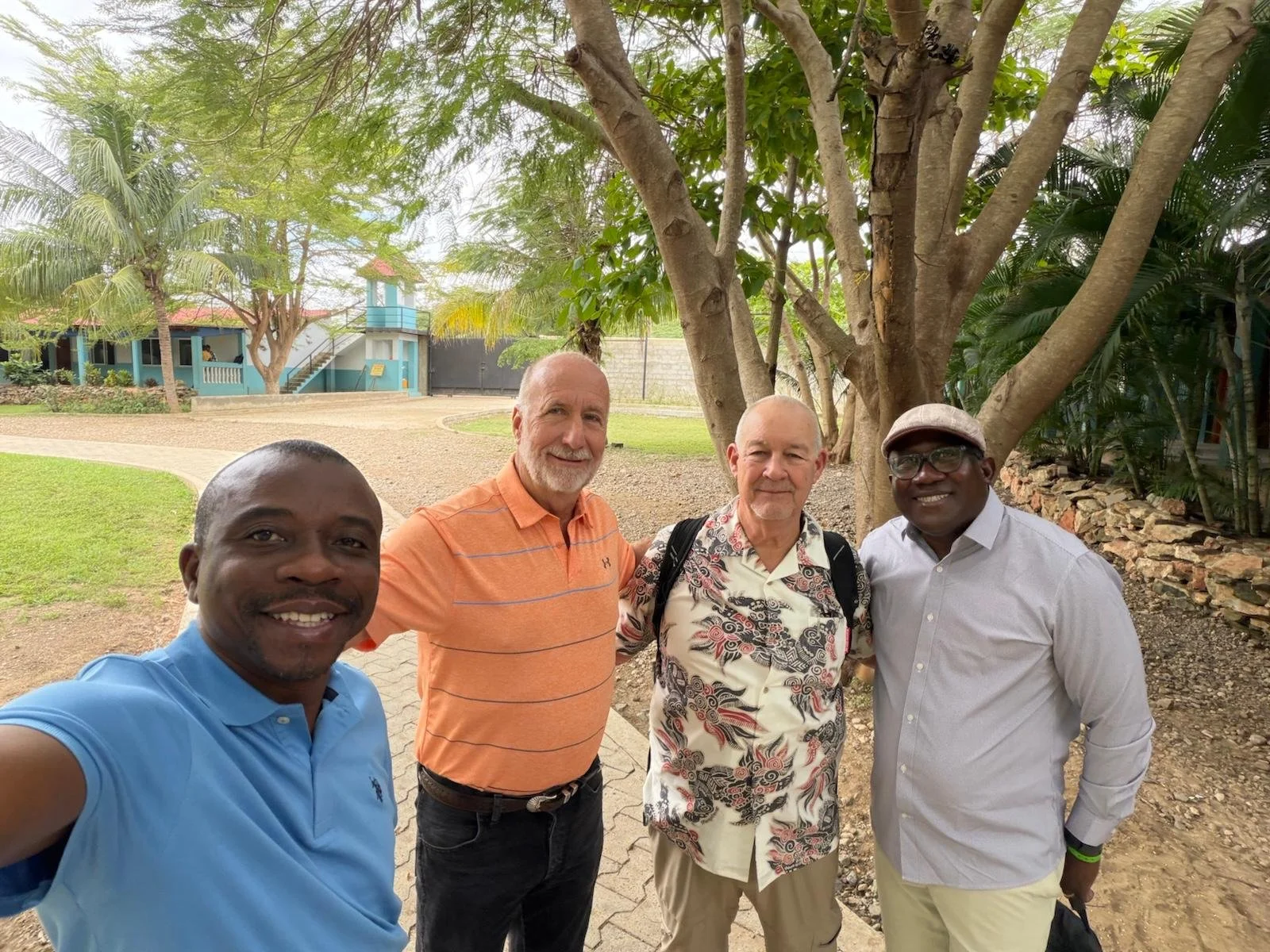
This blog post was written by Louis Dorvilier, COO of Mission Lazarus (far right) after his last visit to Haiti
Pictured (L to R): Wilky Joseph (Director of Mission Lazare Haiti), Raleigh Jenkins and Dave Gibbs (Board Members)